Continuous care in Kenya

Share this post
Last quarter, 121 children were supported across different levels of education, most living within their communities, while a smaller group continues to receive full-time care in the Creation of Hope residence. Across both settings, the focus remains the same: ensuring every child has access to education, stability, and consistent support.
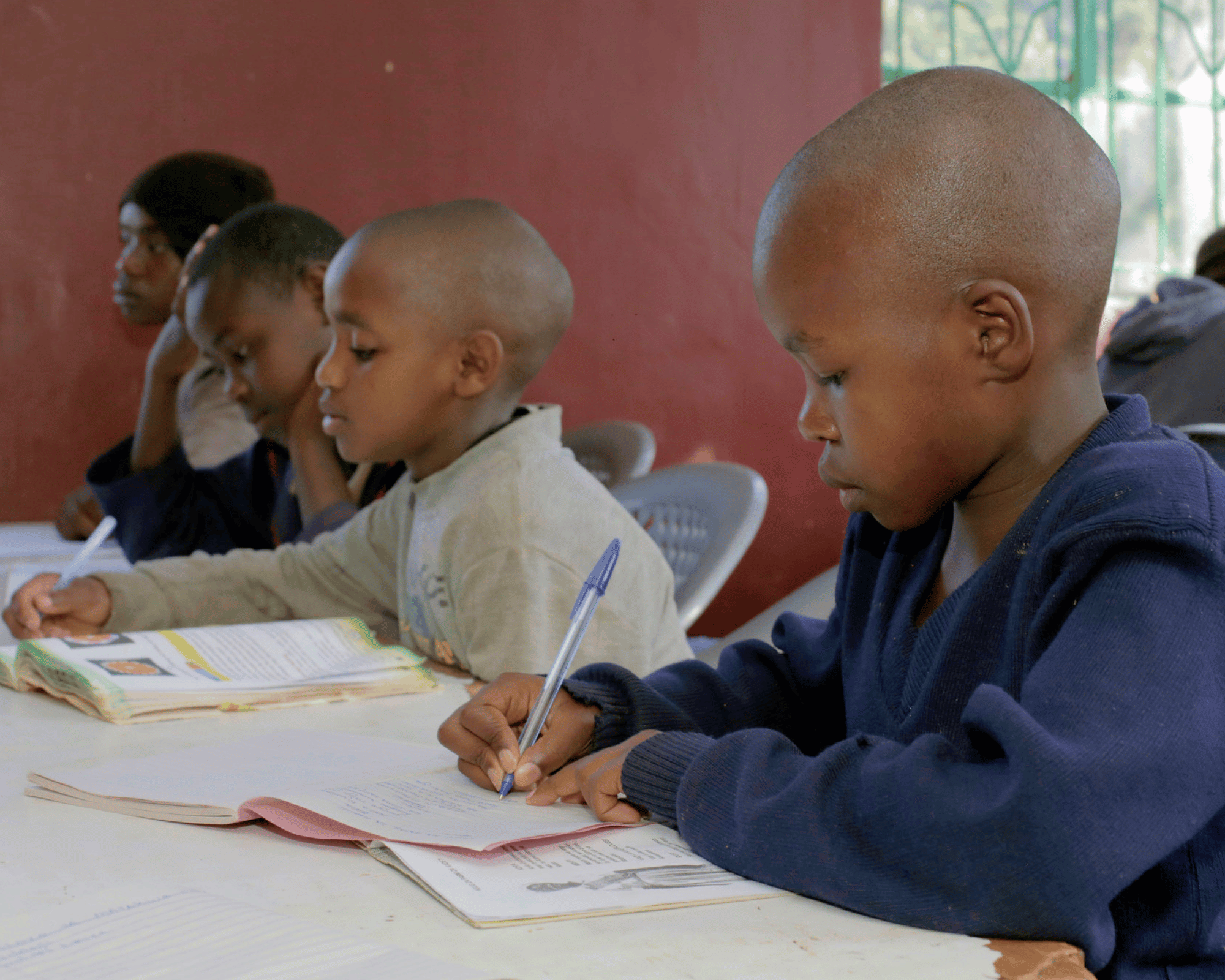
School remains at the centre of this work. All children were able to attend classes this term with their fees and supplies covered, allowing them to move forward without interruption. As national exam results were released, several students transitioned into the next stage of their journeys—some moving on to university, others into college or vocational pathways, each step reflecting their perseverance.
Monthly food distributions reached dozens of households, helping families facing rising costs and limited resources. While the Centre was affected by inflation, the program remains a consistent source of support, ensuring children and their caregivers are not navigating these challenges alone.

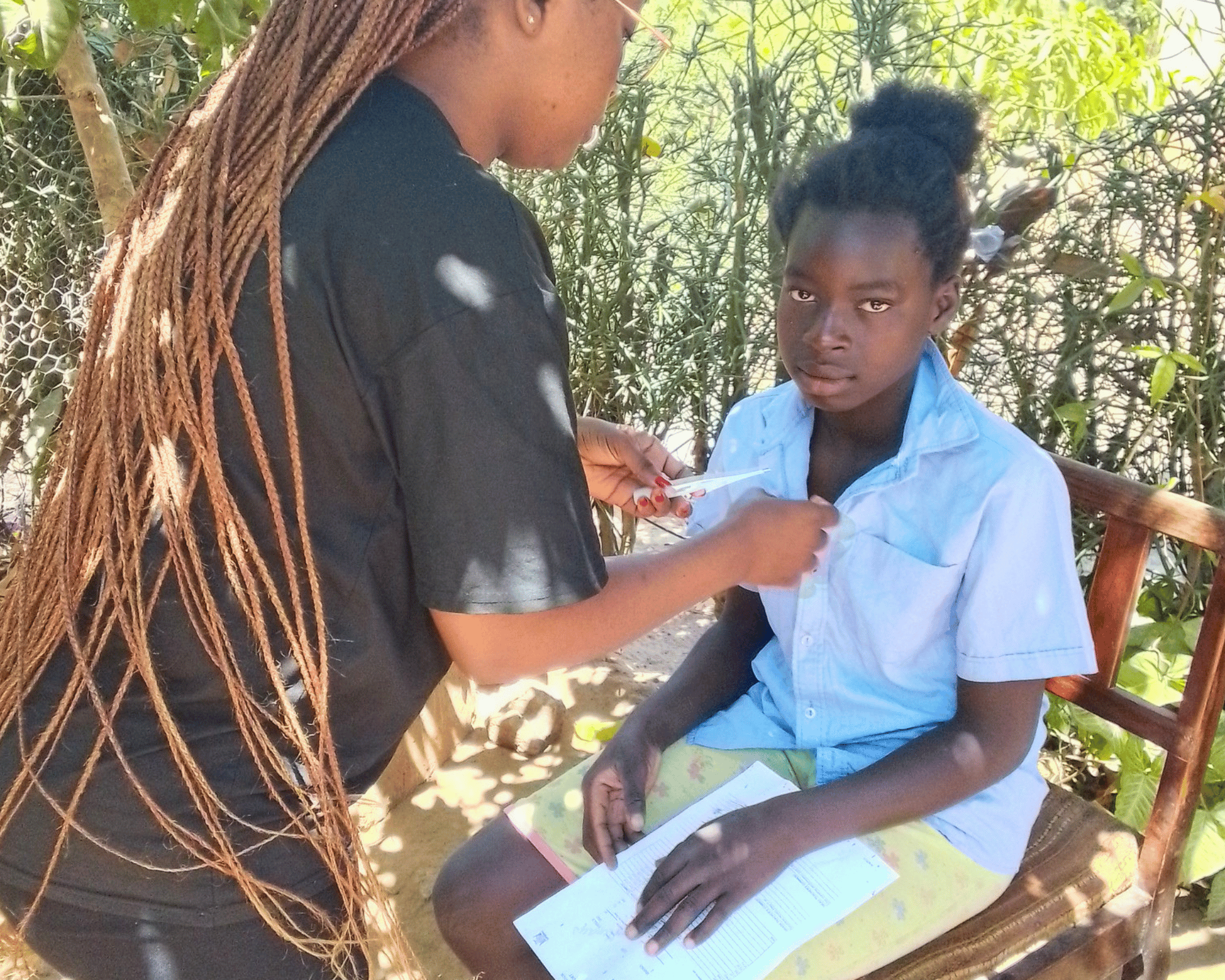
Social workers maintain regular contact with families, particularly for children living in the community, offering follow-up support where needed. At the same time, specialized medical care is being provided for children with ongoing health concerns, assuring that treatment continues even when costs are high.

A significant area of focus moving forward is the transition of children from residential care back into family and community-based settings. Early outcomes from children who have already reintegrated show encouraging signs of adjustment and stability, even as economic pressures remain a concern for many households.

Prayer
• Pray for provision amid rising costs, especially as food and school expenses continue to increase
• Pray for students stepping into new stages, including those transitioning to high school, college, or university, that they would adjust well and continue to pursue their calling with confidence
• Pray for children transitioning back into family-based care, that these placements would be safe, stable, and filled with support as they resettle into their communities
Related stories